Lung Cancer Screening
Call (804) 828-3768 for more information

If you are a long-term, heavy smoker aged 55 or older, a lung scan from VCU Medical Center may be for you. Read below for more information or you can download our brochure here. If you feel that this scan may be right for you, talk to your doctor about having a scan done at VCU Medical Center or call (804) 828-3768 for more information.
The National Cancer Institute (NCI) recently announced in November 2010, that initial results of the National Lung Screening Trial (NLST) showed high-risk persons who received at least three annual (one per year) low-dose helical CT screens had a 20 percent lower risk of dying from lung cancer than participants who received standard chest X-rays. You can view the article as reported in the New York Times.
What is lung cancer and how common is it?
Lung cancer is one of the most common cancers in the world. It is the leading cause of cancer death in both men and women in the United States. According to the American Cancer Society, lung cancer is expected to claim 157,000 American lives in 2010. Click here for more cancer facts and figures.
How do I know if I am at risk for lung cancer?
People with a history of cigarette smoking have a high risk of lung cancer. There are more than 94 million current and former smokers in the United States. The more cigarettes you smoke per day and the earlier you started smoking, the greater your risk of possible lung cancer. High levels of pollution, radiation and asbestos exposure may also increase your risk.
What is Lung Cancer Screening?
Screening means testing for a disease when there are no symptoms, clinical signs, or history of that disease. Screening tests may find a disease early on, when treatment may work better.
What is the benefit of Lung Cancer Screening?
One of the keys to more successful treatment of lung cancer is the early detection of the disease. Often, lung cancer is detected in its later stages, when it has compromised the function of one or more vital organs and has spread throughout the body. There are many types of lung cancer. Each type of lung cancer grows and spreads in different ways and is treated differently. The purpose of this Screening Chest CT Scan is to detect and diagnose an underlying medical condition that you may have at an early stage to improve the treatment effectiveness and options. The images will be reviewed for the presence of lung nodules, masses, or other abnormalities suspicious for lung cancer as well as other findings of potential clinical importance.
How do I know if I should undergo Lung Cancer Screening?
High-risk persons who should consider having a screening chest CT are current and or former heavy smokers (that quit within the last 15 years), who smoke or have had smoked an average of more than 1 pack per day for over 30 years and are aged 55 to 74-years.
How is the Lung Cancer Screening test performed?

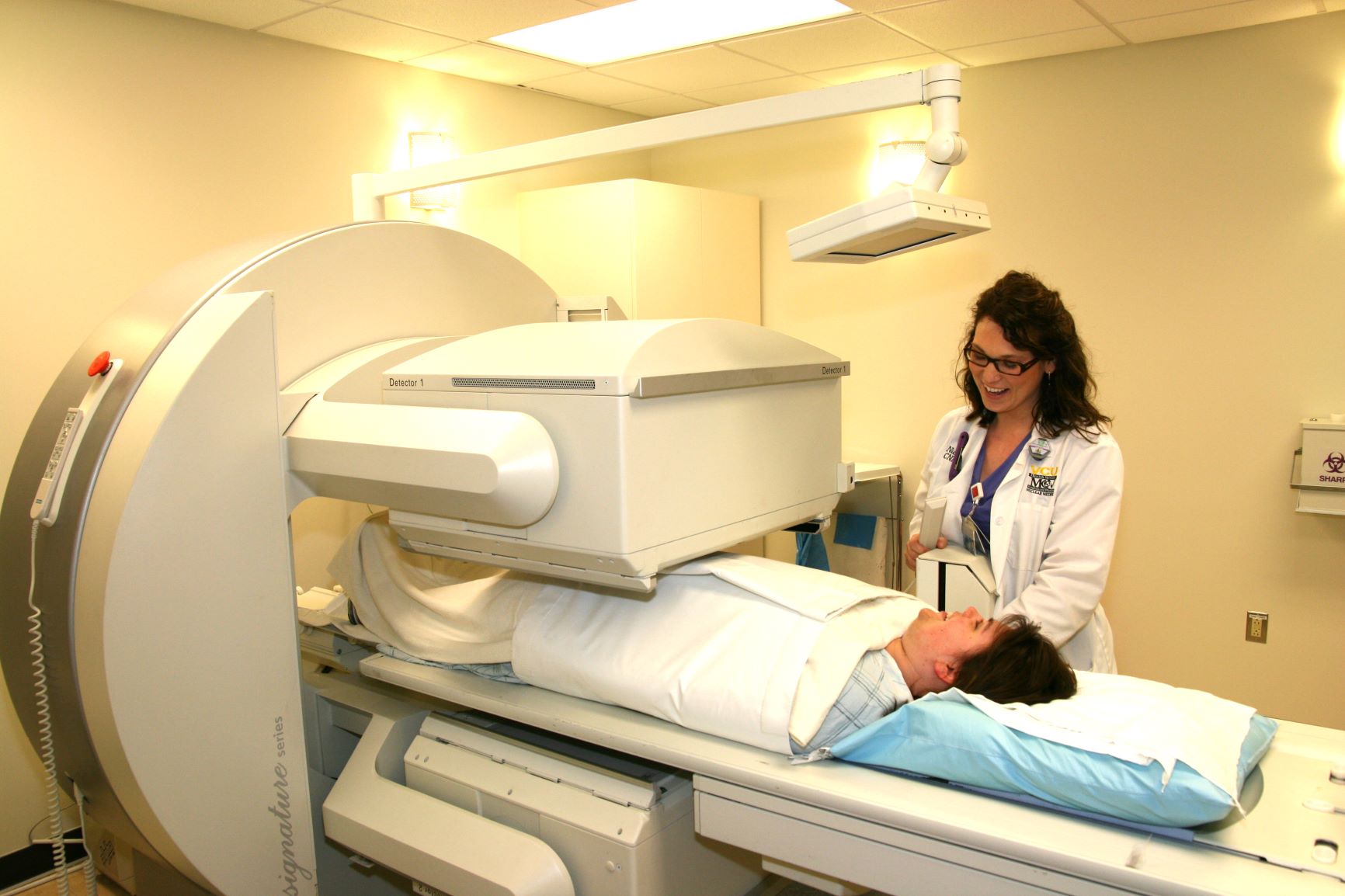
The screening test is performed with a low-dose spiral (helical) CT. The CT scanner rotates around your body, while you lie still on a table that passes through the center of the scanner. The CT scan provides detailed images of the inside of your body, made by a computer that combines the x-ray images taken from different angles. The screening CT can be performed with a single short breath-hold and takes less than 7-15 seconds.
How much radiation will I receive during the screening Chest CT?
There is a small increased risk of developing some forms of cancer in persons exposed to high doses of radiation. However, the amount of radiation used with our current CT scanners is very small and poses a negligible risk of causing cancer. The amount of radiation associated with the Low-Dose Screening Chest CT is a fraction of that used with a standard chest CT. For more information regarding radiation safety, you can click here.
How good is the Screening Chest CT in detecting possible lung cancer?
Because no test is 100% accurate, it is important to understand the limitations of this screening study. It is possible that you may have an underlying medical condition, including lung cancer, that that goes undetected on this Screening Chest CT. This is called a false negative. It is also possible that this Screening CT exam may reveal findings that mimic or are suspicious for lung cancer when indeed you do not have lung cancer. This is called a false positive. In such cases, you may have to under additional imaging tests and even a possible biopsy by a Radiologist or Thoracic Surgeon to prove the finding seen on the Screening Chest CT is not a lung cancer. Lastly, the Screening Chest CT may reveal findings not related to your lungs that may require further work-up with additional diagnostic tests and imaging studies.
Who will be interpreting the results of the Lung Cancer Screening Chest CT?
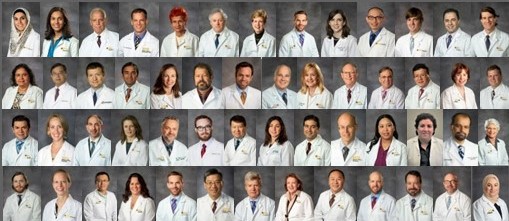
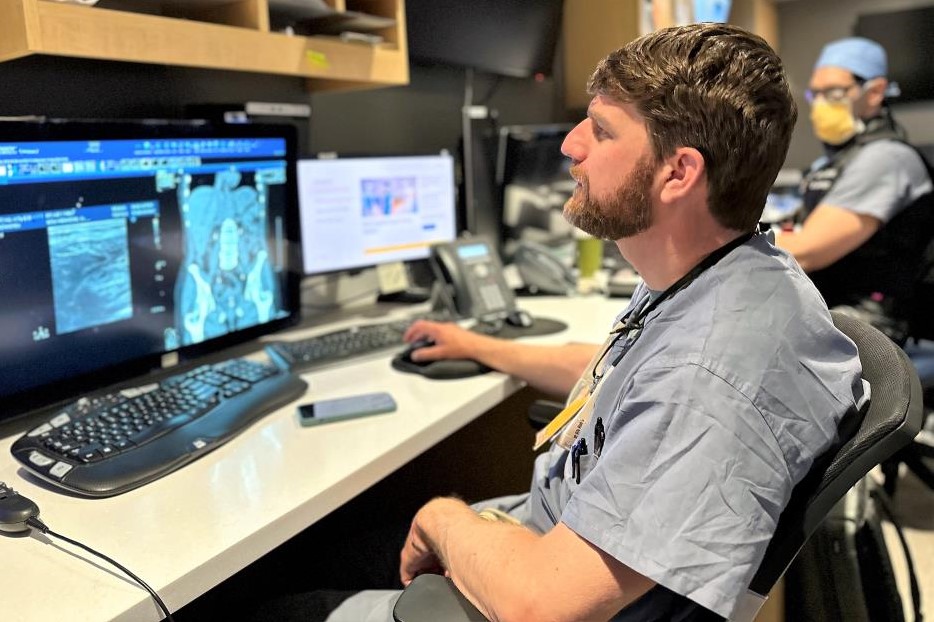
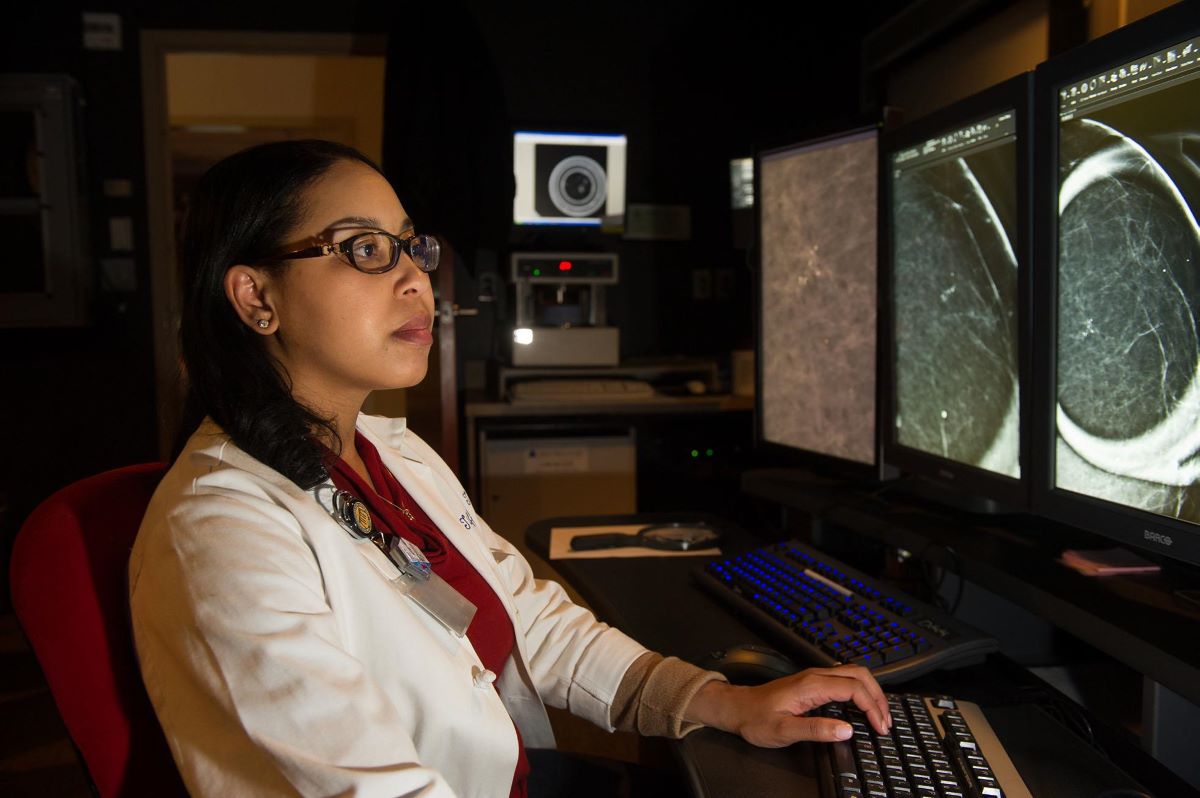
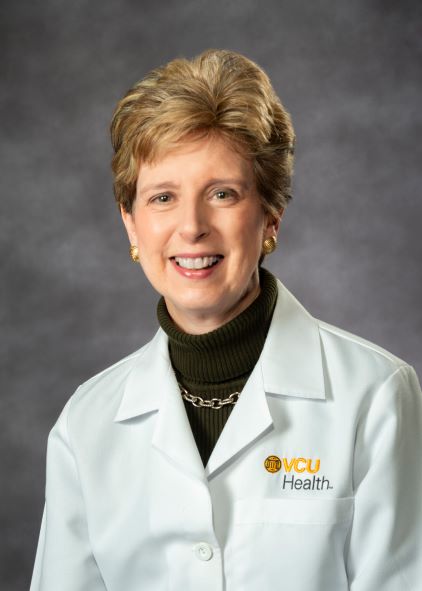
The Lung Cancer Screening Chest CT will be reviewed and interpreted by one of our team of Thoracic Radiologists. A Radiologist is a physician who has specialized training in obtaining and interpreting medical images, which makes him or her, an imaging expert. These images are obtained by using x-rays (radiographs, CT) sound waves (ultrasound), the body's natural magnetism (MRI) or by the injection/inhalation of radioactive substances (nuclear medicine). A Thoracic Radiologist is a radiologist with advanced training who specializes in the diagnosis of diseases of the chest cavity (thorax and lungs). After reviewing and interpreting your Screening Chest CT, our Thoracic Radiologists will recommend either a follow-up annual Screening CT (one per year for three years) or the need for further examinations or treatments. These results will be shared with your Primary Care Physician (PCP) who ordered your Screening Chest CT scan. The Thoracic Radiologists can work together with your PCP to determine the best course of action for you. We also have a team of Pulmonologists (lung doctors) and Thoracic Surgeons (lung surgeons) available. This latter group of physicians can be consulted to discuss your case and can become involved in your care and management if you so desire. As Director of the Thoracic Imaging Section within the Department of Radiology at VCU Medical Center, Dr. Mark Parker, M.D. brings unmatched expertise in clinical and research work to ensure that each of our patients receive unsurpassed imaging service.
Will my private insurance or health care plan pay for the cost of the Screening Chest CT?
It is likely that the cost of this Screening Chest CT will not be covered under any private insurance plan or under current government insurance plans such as Medicare or Medicaid. Thus, you will be held financially responsible for payment of this exam and payment will be expected at the time that the screening exam is performed. The Screening Chest CT could also reveal medical conditions or findings where additional testing and or treatment will be indicated. These subsequent tests and or treatments will only be performed after obtaining your permission. The costs for these additional tests or treatments may or may not be covered by your private insurance or government insurance plan. If not covered, the costs of such will be your personal financial responsibility.
Can anyone help me stop smoking?
Yes.The best advice is to never start smoking. But once you have started, we know it can be very difficult to “kick the habit”. We have a dedicated team of smoking cessation experts available for consultation upon your request. For additional information on techniques and methods to help you stop smoking, contact:
Patricia Cafaro, Nurse Practitioner
Clinical Director and Counselor, Tobacco Cessation Program
804-828-4968 (office) 804-827-1748 (fax) pcafaro@mcvh-vcu.edu
Sherry Page
Clinical Coordinator, Lung Cancer Screening Program
Tobacco Cessation Educator
Phone 804-828-4162 (office) 804-827-1748 (fax) spage@mcvh-vcu.edu
Or visit the Smoking Cessation team on the web at www.cleanairqualitycare.com.